Growing up
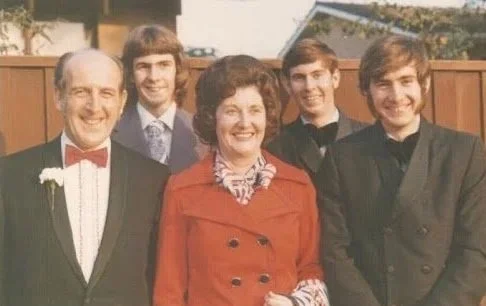
I was born in Liverpool, UK, hence my love of Liverpool FC and music. My Dad had been a coal miner (a shotfirer — a particularly dangerous job), but after a few accidents, my Mum pressured him to find something safer. He joined the prison service, first as a cook and later as a prison officer.
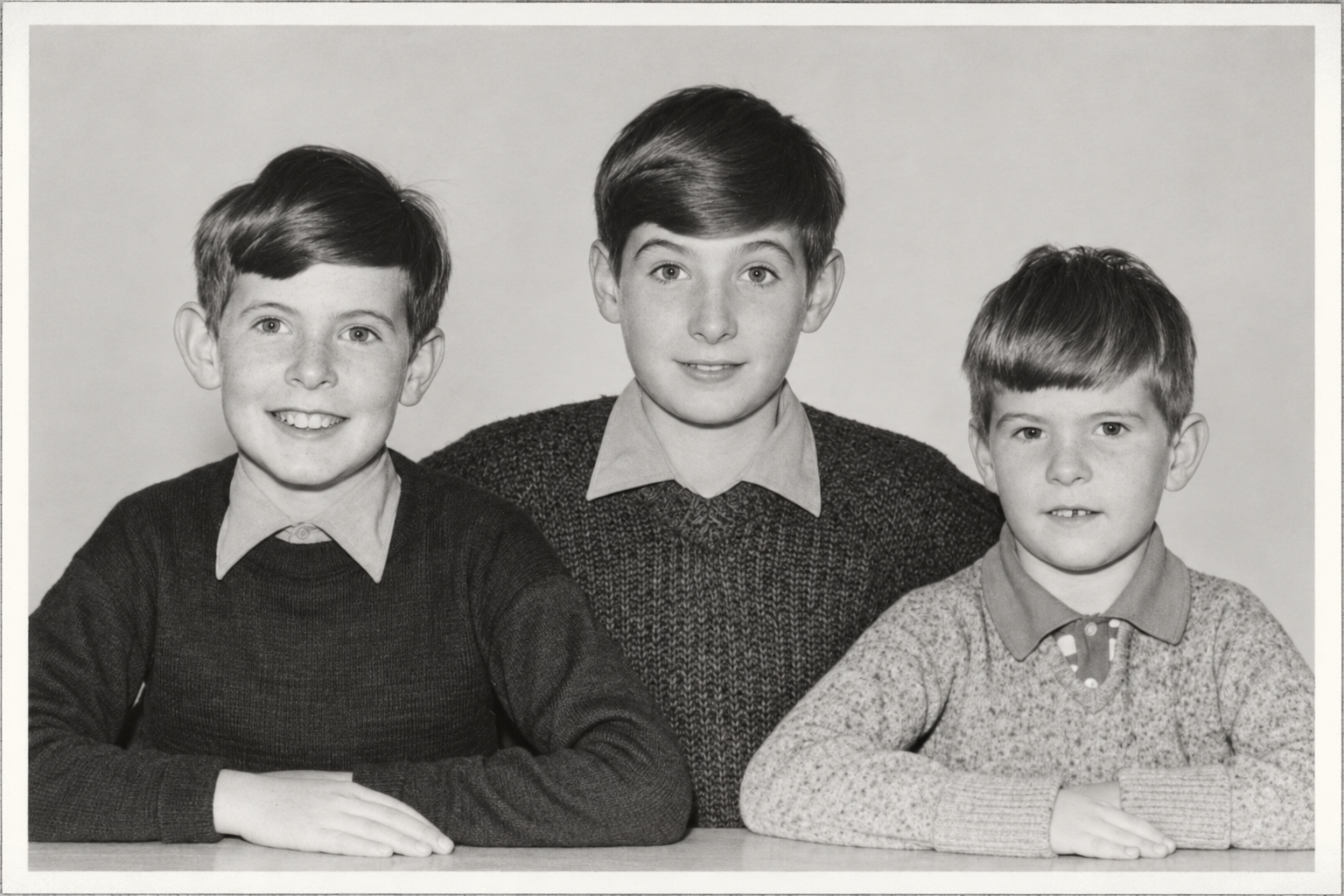
We moved to Cardiff in Wales when I was two and, soon after, my younger brother, John, was born. My older brother, Paul, had also been born in Liverpool.
We lived in Wales for another five years, with my Dad alternating between working as a prison officer and a cook. My Mum stayed home to look after three boys and, when she could, worked in a local deli. I only have fragments of memories from those years, but they were all pretty good.
In both Liverpool and Cardiff, we lived in “prison houses”. My first home was actually within a tower of Walton Jail in Liverpool (with bats in the belfry!). During one of his periods as a prison officer, my Dad witnessed two executions. He described to us some years later just how horrible those experiences had been.
In 1962, when I was seven, we migrated to Australia to join most of my Mum’s family. We first landed in Perth and then continued to Melbourne. My grandad, an uncle and our oldest cousin caught the Overland to Melbourne and accompanied us back to Adelaide.
It was September and not too hot when we settled into the Gepps Cross migrant hostel and I started at Gepps Cross Primary School. It was there I learned to put a hot, salty chip into a long bottle of Coke and watch it create a Coke fountain.
Later that year, when the temperature soared above 100º Fahrenheit, I remember coming home to find my Mum in tears. The lino floor of our hostel “tin can” had melted in the heat and her shoes were stuck to the molten floor. Funny to think back on now, but devastating for my Mum at the time.
After six months in the tin cans of the migrant hostel, we moved to Elizabeth with the rest of our family (and what seemed like the rest of the “ten pound Poms”).
In Elizabeth, I learned to follow my friends on our pushbikes through the stormwater drains while being chased by older “louts”. I always thought one of them was Jimmy Barnes, although he was younger than me. It turns out one of them was allegedly John Swan, Jimmy’s brother, who was in the same class as my older brother. Almost a brush with fame.
After Gepps Cross, we moved between Elizabeth, Northfield, Port Lincoln, Elizabeth again and finally Ingle Farm, before I joined the RAAF at the ripe old age of 15 years, 11 months and three weeks.
School years
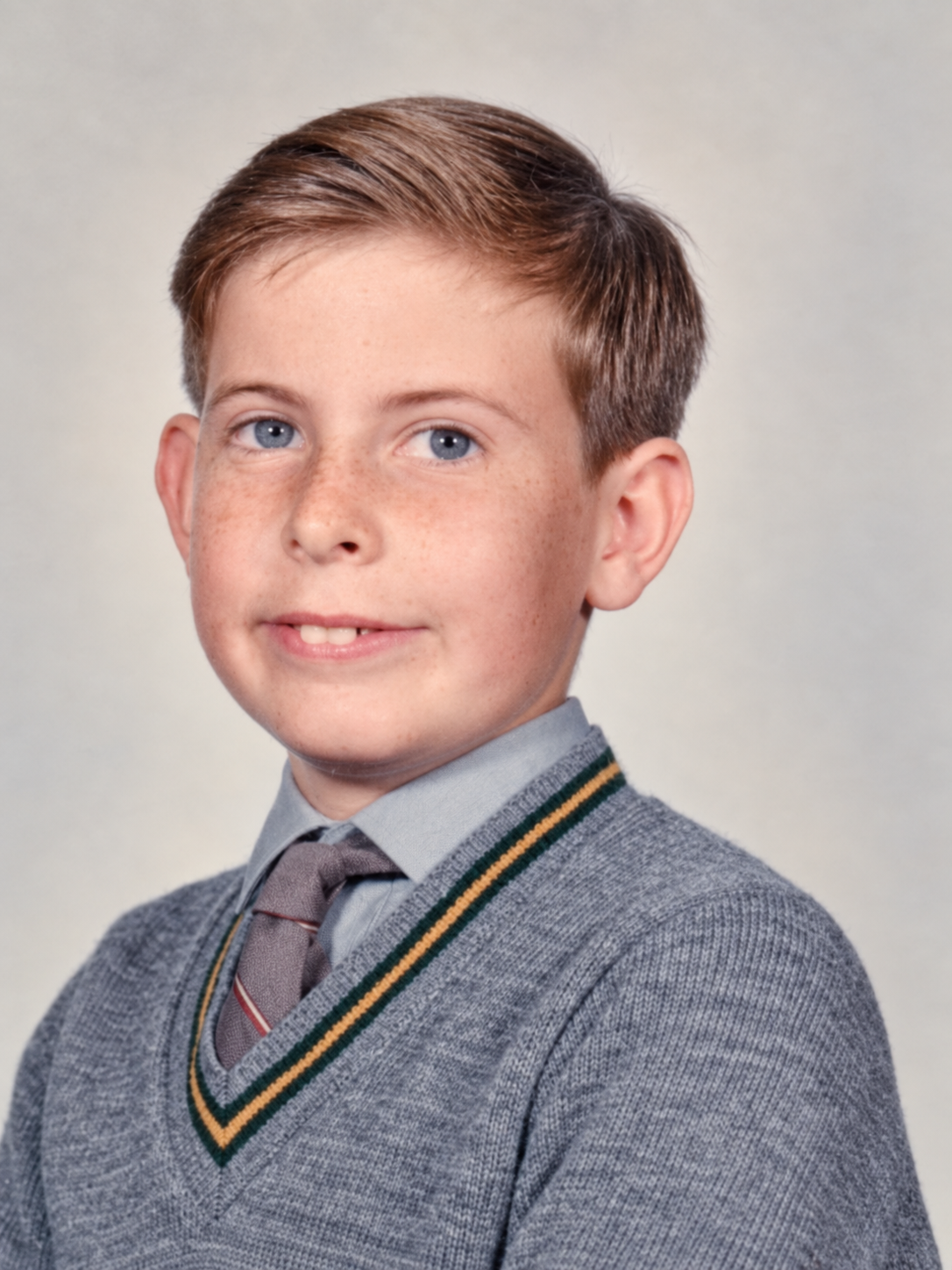
Throughout my childhood, I attended nine primary and high schools before going on to the RAAF’s technical school, two Australian universities and two universities in the USA.
My schools included St Joseph's Roman Catholic Primary School in Gabalfa, Cardiff; Gepps Cross Primary School; Elizabeth Downs Primary School; Elizabeth Park Primary School; Northfield Primary School; Port Lincoln Primary School; Broadmeadows Primary School in Elizabeth; Elizabeth West High School; and Enfield High School.
Later came the RAAF School of Technical Training, Royal Melbourne Institute of Technology, the University of South Australia, Stanford University Graduate School of Business and Harvard Business School.
Despite all of the education, I was never particularly good at primary or high school, likely because I was a bit of a “smart-arse” (some things never change). I recall one high school report saying, “Peter rests on his oars.” Of course, some of my friends changed that comment to something a little more outrageous.
I passed high school, without studying too much.
The Royal Australian Airforce
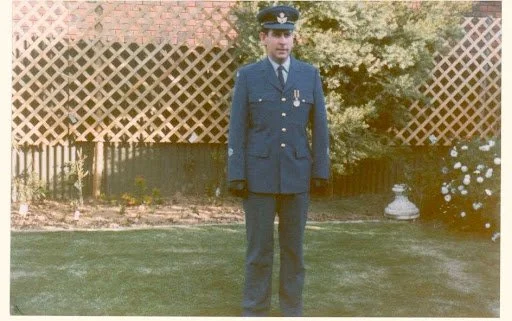
Probably as a result of my Dad being in the RAF during the war, the fact that he wore a (prison) uniform to work every day, and my favourite uncle, Bob, also serving in the RAF during the war, I joined the RAAF cadets in Elizabeth. That eventually led to me joining the RAAF as an airframe fitter apprentice in 1971.
Being a “RAAFie” was a mixture of hard work, lots of sport (we were between wars), great mates, and a bit of travel around Australia. My superiors apparently saw something in me and sent me off to the Royal Melbourne Institute of Technology to complete a Certificate of Technology (CoT) in Aircraft Engineering.
Something significant happened at RMIT: I learned how to study.
I was never that good during high school, but something clicked at RMIT and I’ve been much better at studying and learning ever since. Thanks RAAF and RMIT.
During my RAAF days, I spent time at Amberley Air Force Base, Malaysia and Christmas Island, as well as a detachment at the USAF’s Sacramento Air Logistics Centre (SMALC) in California. I could tell you what I did at SMALC, but then I’d have to kill you.
After almost a decade at RAAF Amberley, I was sent to RMIT for the CoT and was then posted to the RAAF’s Aircraft Research and Development Unit near RAAF Base Edinburgh. By this time, I was a fully minted Systems Technician, working on complex aircraft systems and Computer-Aided Design systems.
Soon after arriving at Edinburgh, I was promoted to flight sergeant and, a couple of years later at 33 years old, to Warrant Officer.
During my time at Edinburgh, I was financially supported to undertake a Bachelor of Arts in Communication Studies, where I focused particularly on Economics and Film Studies — very useful for my later careers, as it turned out.
Banking
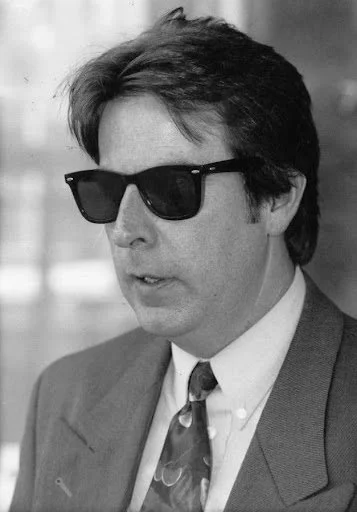
Just before graduating with my BA, I attended a Careers Day at UniSA. I had already organised meetings with British Aerospace and IBM (natural things for a Systems Technician to do), but somehow I ended up in the State Bank tent and found myself signing up as a mature-age graduate.
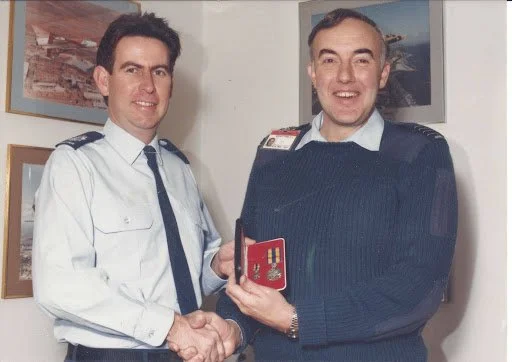
I took off my blue uniform and swapped it for a double-breasted suit (all the rage in 1990). Given I knew a bit about numbers, they placed me in the Market Research Department within Marketing. I’d rapidly gone from being a RAAFie to a marketing guy.
Only a couple of months after I started, on 10 February 1991, State Bank went broke (not my fault).
Most of the graduates were “let go”, but for some reason they kept me on and, for the next year or so, I worked on the Bank’s side of the State Bank Royal Commission. In very short order, I learned a lot about banking — particularly what not to do!
I had one particularly interesting experience. I was tasked with taking the daily report, by hand, up to the office of then Premier John Bannon. I handed the report to his Chief of Staff, Geoff Anderson. Anderson read it and I thought he was going to hit me.
I can’t recall the exact detail, but a couple of days earlier I had handed him a similar report that provided an answer to a question in Parliament about the number of off-balance-sheet companies the Bank had. The first report said four. The second report — after Bannon had answered the question — said there were actually hundreds (true, as it turned out).
I scarpered out of the office and delegated the job to someone else for the next few days.
While at State Bank and BankSA, I progressed through the Marketing department and eventually headed it up. For around a year before I left, I was Chief Manager of Metro Banking, my first foray into “real banking”.
I then found myself working on the team selling BankSA to Advance Bank and, through that process, met some of the senior people from Westpac. Next minute, I was poached to join Westpac in Adelaide.
No sooner had I settled in as Westpac’s State Manager of Marketing for SA/NT than I was moved to Melbourne to become Marketing head for Vic/Tas/SA/NT — lots of frequent flyer points. After only a few months in Melbourne, I was transferred to Sydney, Westpac’s headquarters.
I soon moved out of marketing and was promoted to run Westpac’s national branch network. A huge job that I loved.
Following that, I worked in IT transformation, ran a major productivity program, became GM of Business and Commercial Banking, then GM of Retail and Business Banking, and then Group Executive of Business Banking. Phew!
Over my time at State Bank/BankSA and Westpac, I was lucky enough to be sent to executive education courses at Adelaide University Graduate School of Business, the University of New South Wales, Stanford Graduate School of Business and finally Harvard Business School. I was lucky to have so much invested in me.
In the last few years of my time at Westpac, I was also Group Executive of People (HR) and Transformation and then, finally, Chief Executive of Australian Financial Services.
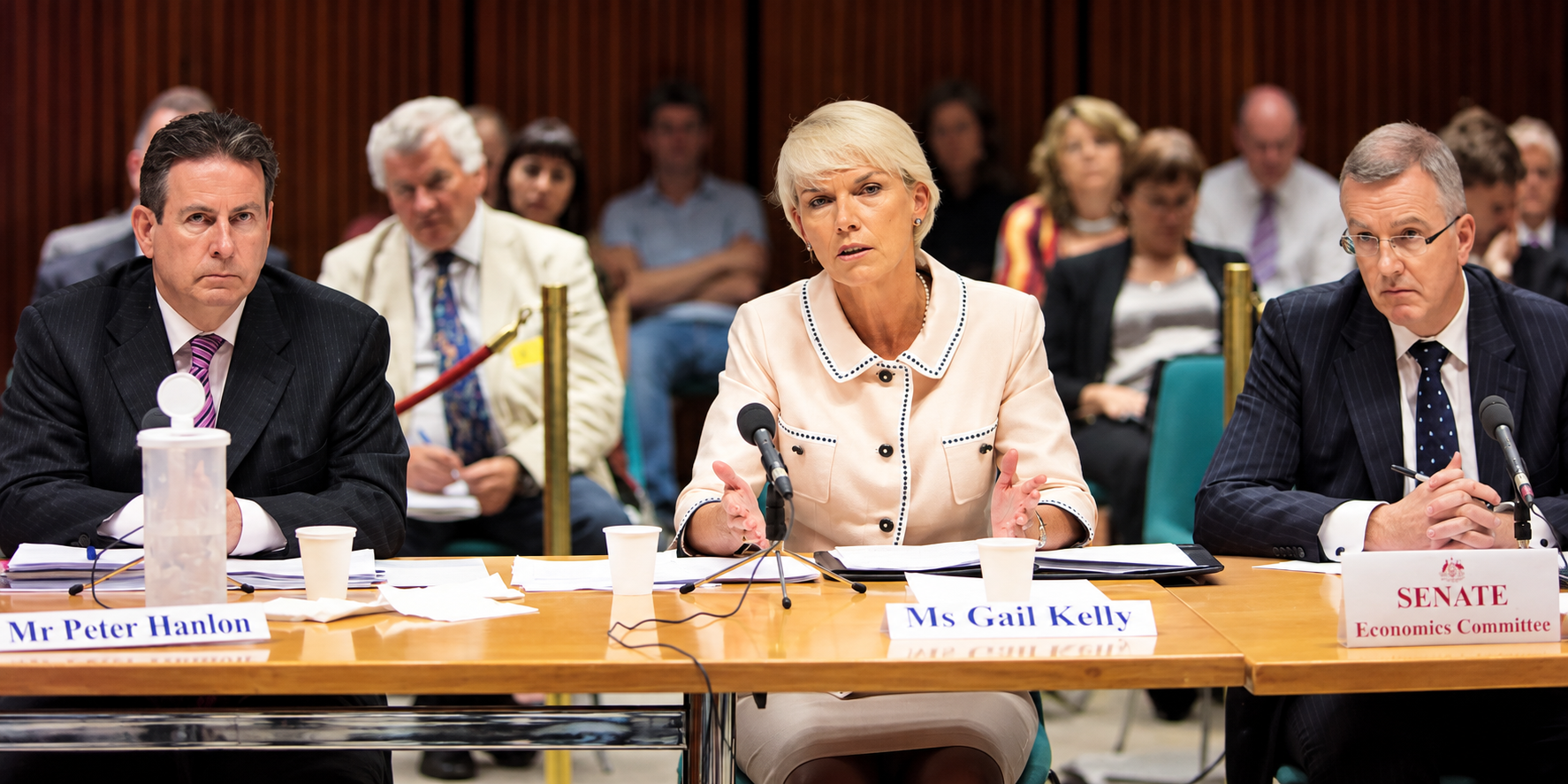
I was initially appointed to the Executive Team of Westpac by CEO David Morgan and then given a greatly expanded role by the new CEO, Gail Kelly. I stayed working with Gail until we both retired on 31 January 2015.
A little while before I retired, and for a few years afterwards, I returned to my banking roots as Chair of the BankSA Advisory Board.
In both my RAAF career and my banking career, I benefited from significant investment in my continuing education and great support from my superiors. I was a lucky boy.
Filmmaking
I have always had a love of film: watching them, that is.
During my twenties and thirties, I probably watched a lot of what would be called cult films today, but I also liked blockbusters. When I was selecting subjects for my BA, along with a raft of economics and finance subjects, I also chose quite a few film-related ones.
What I didn’t realise at the time — during my RAAF career — was that I had chosen subjects that would later lead into two very different careers.
Shortly before I retired from banking, a friend, Cole Larsen, tried to get me to help him with a music video. I was still commuting to Sydney occasionally, so didn’t have the time. However, on the night of my retirement from banking, Cole cornered me and suggested I now didn’t have an excuse.
The music video then led to the idea of making a film in Iceland (I know, a natural progression).
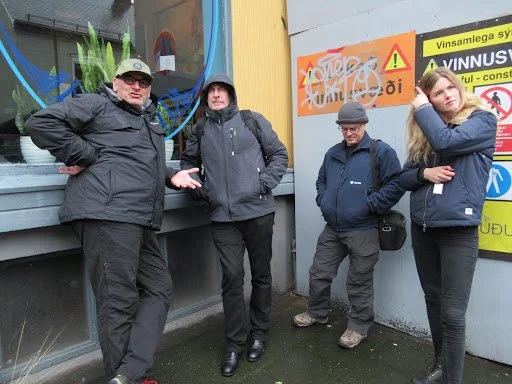
Along with two other friends, Cole and I set off to make a film in Iceland about music, politics and the environment. To my surprise, the film got into a few film festivals, including Adelaide and Reykjavik.
Following that “success”, we made a few other films — what I call DIY films — and they all got into festivals. Cole, Rick Davies and I set up the film company Living Not Beige Films.
I was now a real filmmaker!
I received a surprise call one day asking me to meet with the then Chief Executive of the SA Department of State Development. Apparently, the Liberal Government wanted to know if I was interested in joining the Board of the South Australian Film Corporation (SAFC).
I said yes, and next minute I received a call from the Minister congratulating me on being selected to Chair the Board.
I’d like to think I added value while I was there, but the role also benefited me greatly. I learned a lot about the industry and was introduced to quite a few of SA’s best filmmakers, including my future business partner, Madeleine Parry. Later, I was also appointed Co-Chair of The Mercury, a cinema and development organisation for emerging filmmakers.
With my newly minted business partner, Maddie, I collaborated on a film about The Angels, one of Australia’s most celebrated and enduring rock bands. The Angels: Kickin’ Down the Door was largely developed during Covid while I walked around Victor Harbor with my friend, and one of the founders of The Angels, John Brewster.
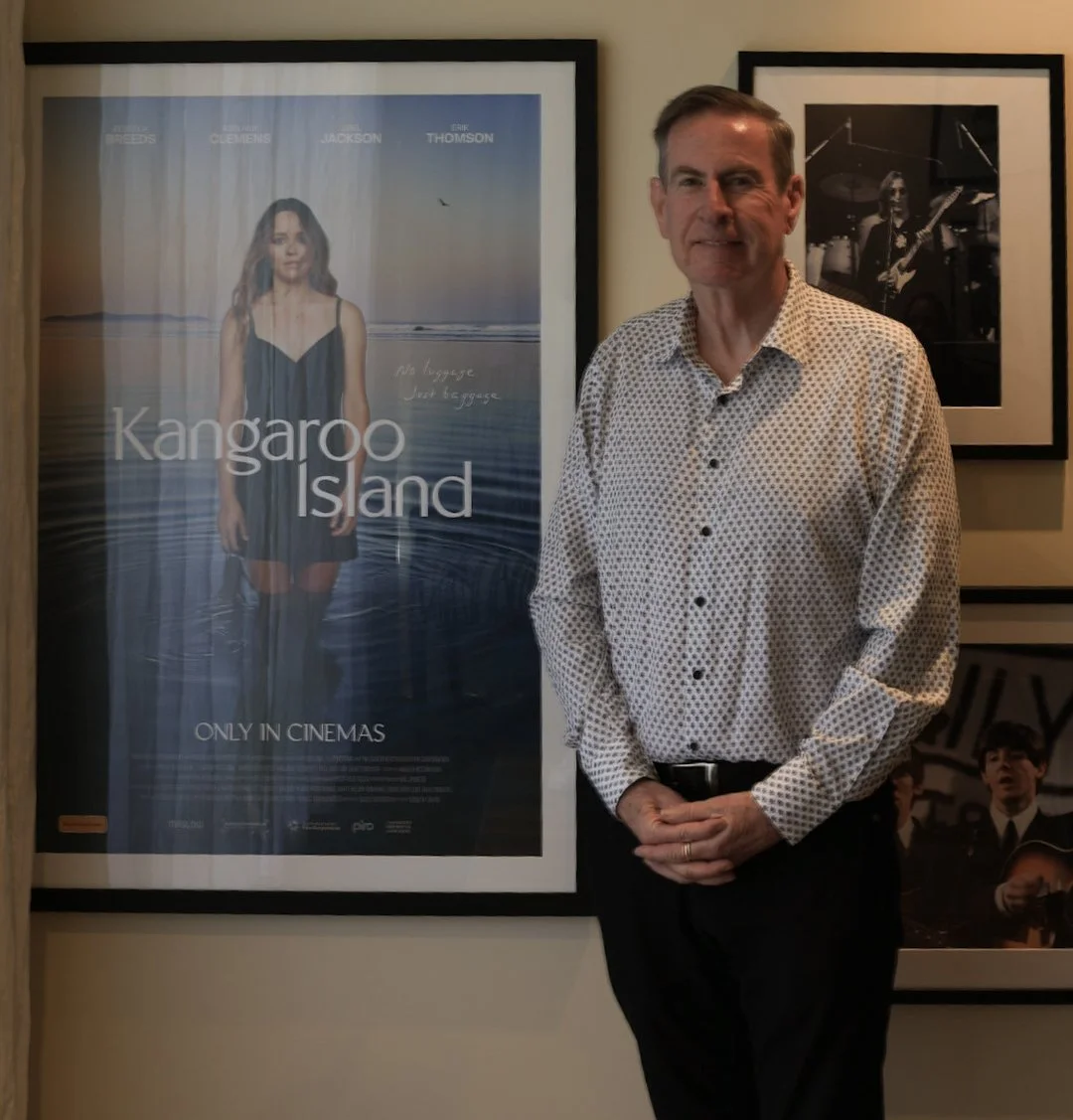
More recently, I was one of the producers on the Australian film Kangaroo Island. It was a great experience helping to make a feature drama that was shown across the country and in the USA.
Along with Maddie Parry, through our company Mess Productions, we are now working on several feature drama films and TV series.
The dream continues.
More businesses and board roles
Over the years, I’ve been involved in other boards, government committees and businesses.
My first board experiences were at Westpac, as both a General Manager and later a Group Executive (GE), where I had to present to the Westpac Board and various board committees. As a GE, I attended each Westpac Board meeting and learned a lot from both my fellow executives and the Board members.
As a boy from Elizabeth, I often felt out of place among all the highly educated and esteemed people at those meetings. Eventually, however, I learned to back myself.
While still at Westpac, I was also on the boards of RAMS Home Loans (as Chair), Jawun Indigenous Enterprise Partnerships, and BankSA (as Chair). Being on the board of Jawun was a great experience, particularly as I’d been part of the first group of secondees to spend considerable time working within Indigenous communities in Cape York and helping them establish local businesses.
Shortly after retiring, I was asked to join the boards of the South Australian Museum and the Museum Foundation. Another good non-banking experience. The main Board was chaired by the formidable Jane Lomax-Smith.
Post-retirement, I established a consultancy business, Notus Advisory, providing strategy and mentoring support to government and businesses in Adelaide, Sydney and Canberra. I was very clear with my clients that their fees were going straight into funding films.
Running a small consultancy taught me a lot about small business and complemented my small-business banking experience at Westpac. I also had the two film businesses, Living Not Beige Films and Mess Productions (Mess Productions is still operating today).
Both through my BankSA Board role and my consultancy business, I provided services to the state government, including analysis on the establishment of a food park, support in redesigning the government’s senior management service, and strategic advice on delivering state government election commitments.
My most recent government-related role was as a member of the Central Adelaide Local Health Network Board, as well as Chair of the Board’s Finance and Investment Committee.
My (independent) politics
I don’t agree with party politics in local government. I believe local government is the level of government most closely aligned with everyday people. As such, I think councillors should be as representative as they can be of their local community and not bound by the ideologies or policies of individual political parties.
Nevertheless, as a candidate, I should be clear about my own political history.
I grew up in a working-class, trade union, Labor (and Labour in the UK) supporting family. My Dad was a coal miner, a prison service cook and later a prison officer, and I helped him “letterbox” for local Labor Party candidates in the 1960s. So my early political views were fairly well set in stone.
Those views became a little more complicated when I joined the Air Force as an apprentice a week before my sixteenth birthday. Many of my instructors were recently returned Vietnam War veterans and, when the Whitlam Government came to power, almost all of my instructors and fellow apprentices seemed vehemently anti-Labor (“bloody commies!”). Any left-wing views I held were pretty well tempered by my 20 years in the RAAF.
After leaving the RAAF, I joined the old State Bank of South Australia as a mature-age graduate. Soon after I arrived, the Bank collapsed (it wasn’t my fault!). Around this time, probably encouraged by my father, I briefly joined the Australian Labor Party. The subsequent Royal Commission into the State Bank collapse, and the role of the Bannon Labor Government, led me to resign my membership.
So much for my political career.
As I rose through the ranks at Westpac, I became increasingly involved in the Bank’s government affairs and found myself dealing with senior figures from both sides of politics. Over the years, I worked with and for Labor and Liberal governments, and was appointed to various boards, inquiries and advisory roles by both.
I also attended a fundraising dinner and, separately, a boardroom meeting with Tony Abbott, Joe Hockey and Abbott’s chief of staff, Peta Credlin. I came away strongly opposed to the prospect of an Abbott government and subsequently made donations to the ALP in the hope of preventing it. Abbott became Prime Minister anyway, so my donations were a waste.
After moving to Victor Harbor, I continued working across governments. Under the Weatherill Labor Government, I provided strategic support on several projects. Under the Marshall Liberal Government, I was appointed Chair of the South Australian Film Corporation and later chaired two inquiries into the film industry. Under the Malinauskas Labor Government, I joined the Central Adelaide Local Health Network Board and later worked as a consultant and strategic adviser to the Premier’s Delivery Unit.
That last appointment led to me appearing on the front page of The Advertiser.
I blame it on Tony Abbott.
My political history, then, is probably best described as mixed and centrist. I’ve worked with Labor governments and Liberal governments, agreed and disagreed with people on both sides, and briefly belonged to a political party many years ago.
When it comes to local government, I’m an independent. I believe my responsibility is to the people I represent and to making decisions based on what I think is best for Victor Harbor — not what any political party tells me to think.